
Sell Mineral Rights in Van Buren County, AR
Van Buren County was one of the four original core counties of the Fayetteville Shale, and most of the acreage here has been producing gas for well over a decade.
Southwestern Energy's SEECO subsidiary, along with XTO and later Chesapeake, drilled the Fayetteville Shale hard through Van Buren County starting around 2005, stacking horizontal wells into large pooled units around Clinton, Shirley, Choctaw, and Fairfield Bay. Two decades on, most of that gas is well past its steepest decline, and a lot of the working interest has changed hands two or three times since the boom, moving from the original operators into smaller consolidators. If you're a mineral owner here, your royalty check today is telling you something specific about where that well sits on its curve, and that number is the starting point for any conversation about selling.
We look at Van Buren County the way an acquisitions desk looks at any mature shale play: trailing production, remaining reserves, operator identity, and how many other tracts are still held by production in the same unit. That's different from a flat per-acre number pulled off a map.
The Fayetteville Shale Build-Out Here
Van Buren County sits inside the original four-county core of the Fayetteville Shale, alongside Cleburne, Faulkner, and Conway. SEECO drove most of the horizontal development, with pooled drilling units stretching for hundreds of acres around Clinton and Shirley in particular. Well density in the county core is high compared to the flank counties further east, which usually means your tract is captured in a unit with multiple producing wells rather than a single marginal one.
That density cuts both ways. It gave a lot of small tracts production they wouldn't have gotten drilled on their own, but it also means your royalty interest is often diluted across a large pooled unit, so a check that looks modest may still represent a fair share of a genuinely productive well.
What the Clinton Courthouse Records Actually Show
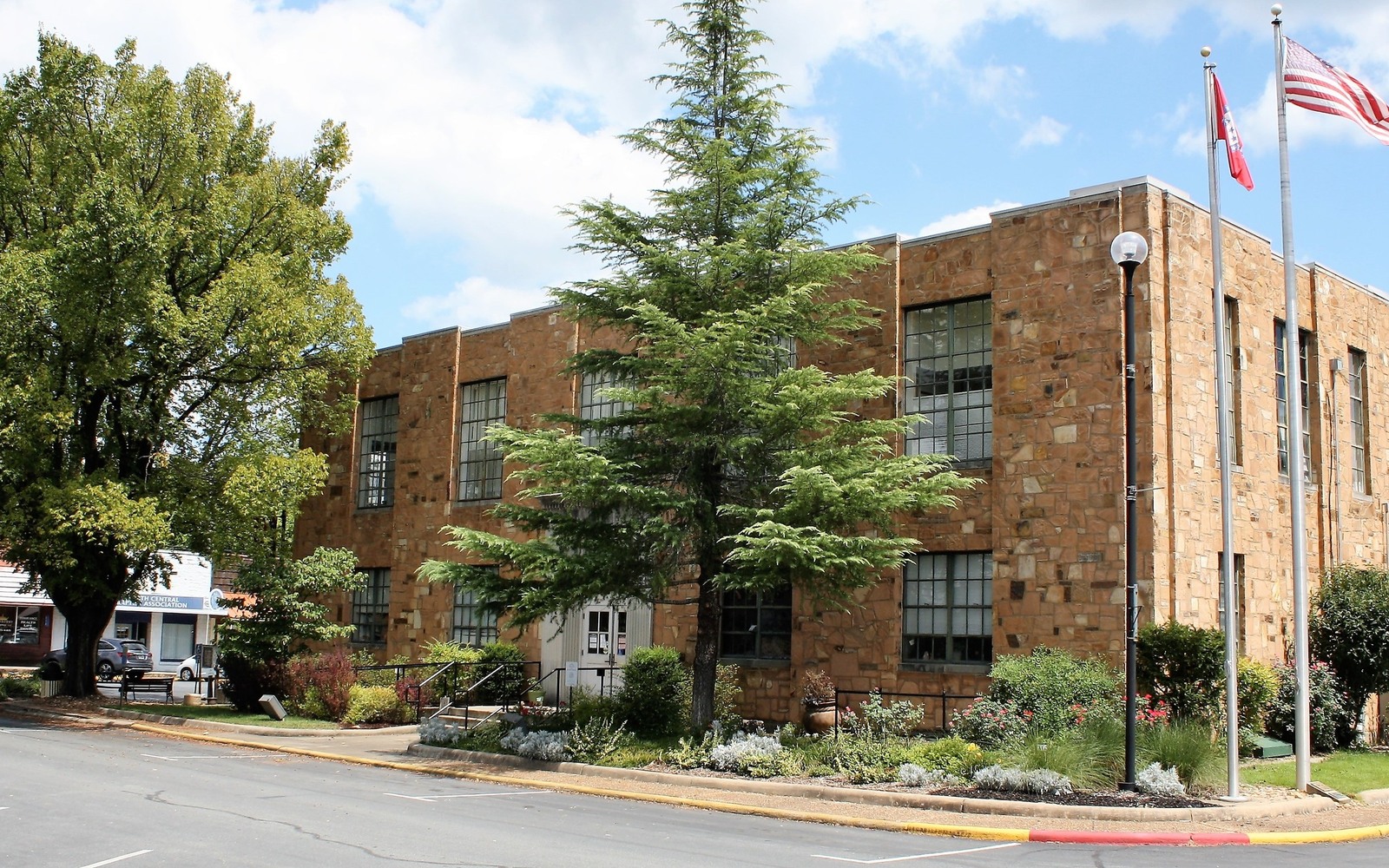
The Van Buren County Circuit Clerk's office in Clinton holds the recorded lease, any Arkansas Oil and Gas Commission integration order that pooled your tract, and the probate file if the interest passed through an estate. Before we make an offer we pull that chain, because a division order percentage that hasn't been updated since a 2009 heir split is one of the most common reasons an owner's royalty check doesn't match what the acreage would suggest.
If your family's interest came down from a grandparent who never leased directly, and everything since has run through a pooling order, that's normal for this county. It just means the title work takes a little longer, not that the interest is worth less.
Reading a Royalty Check This Far Into the Decline
Fayetteville Shale wells follow a steep first-year decline and then flatten into a long, low-volume tail, and most Van Buren County wells are firmly in that tail now. A check that's a fraction of what it was in year one isn't a sign the well is done; it's the normal shape of a shale gas curve at this age. The real question for pricing a sale is the current base decline rate and how many years of that tail are likely left at today's gas prices.
That's also why we price off trailing production and comparable recent trades in the unit, not off a headline dollar-per-acre figure someone quotes from a different play. Two tracts in the same section can be worth different amounts depending on which wellbore they're pooled with.
Deciding Between a Lump Sum and Holding the Royalty
Holding a small royalty interest through decades of decline means collecting shrinking checks, filing them on your taxes every year, and eventually dealing with the interest as part of an estate. Selling converts that long tail into one payment now, priced against what the remaining production is actually worth given current activity in the unit.
There's no single right answer. Owners who want liquidity now, who are settling an estate, or who'd rather not track a check that varies with gas prices tend to sell. Owners who believe the county could see renewed drilling, or who simply want the income stream, tend to hold. We'll walk you through both sides before you decide anything.
Questions from Arkansas owners
- Owner question
Do you own minerals under your Van Buren County land even if you has never received a check?
Possibly. Many tracts in the county were pooled into a unit by an Arkansas Oil and Gas Commission integration order even if the owner never signed a lease directly. If your interest is small enough, or the division order was never updated with your address, checks can go unpaid or get held. We can research the AOGC docket and county records to find out what you actually hold.
- Owner question
Is your tract in the core of the Fayetteville Shale or on the edge of it?
Van Buren County is one of the four original core counties, so most sections here saw multiple horizontal wells rather than a single test well. Core position generally means more consistent production history, which is one of the factors that goes into pricing your interest.
- Owner question
How do heirs split a royalty when the original owner's division order is decades old?
The operator's division order department typically requires a probate file or affidavit of heirship before it will split payments among multiple descendants. This is one of the most common reasons Van Buren County royalty checks stall out, and it's something we help sort out as part of closing a sale.
- Owner question
How is a producing tract priced differently than one that's never been drilled?
A producing tract is priced primarily off trailing royalty income and the well's remaining decline curve, verified against county and operator records. An undeveloped tract is priced more speculatively, based on activity nearby and whether the formation and depth make it a realistic drilling target.
- Owner question
How long does closing take once you accept an offer?
Once title is confirmed against the Circuit Clerk's records in Clinton, most Van Buren County closings move in a few weeks. Estates or unresolved heirship can add time, but we handle that title work rather than passing it back to you.
Related Arkansas guides
All Arkansas owner guidesPut This Arkansas Interest on the Acquisition Schedule
Share the Arkansas county, interest type, producing status, operator or payor if known, recent statement detail, and the decision that needs a clearer answer.
Request an Arkansas Mineral ReviewCall 501-799-8201