
Sell Mineral Rights in Smackover, AR
The town of Smackover gave its name to the formation that runs under half of south Arkansas, and it's fitting that the same rock is now driving the state's lithium story.
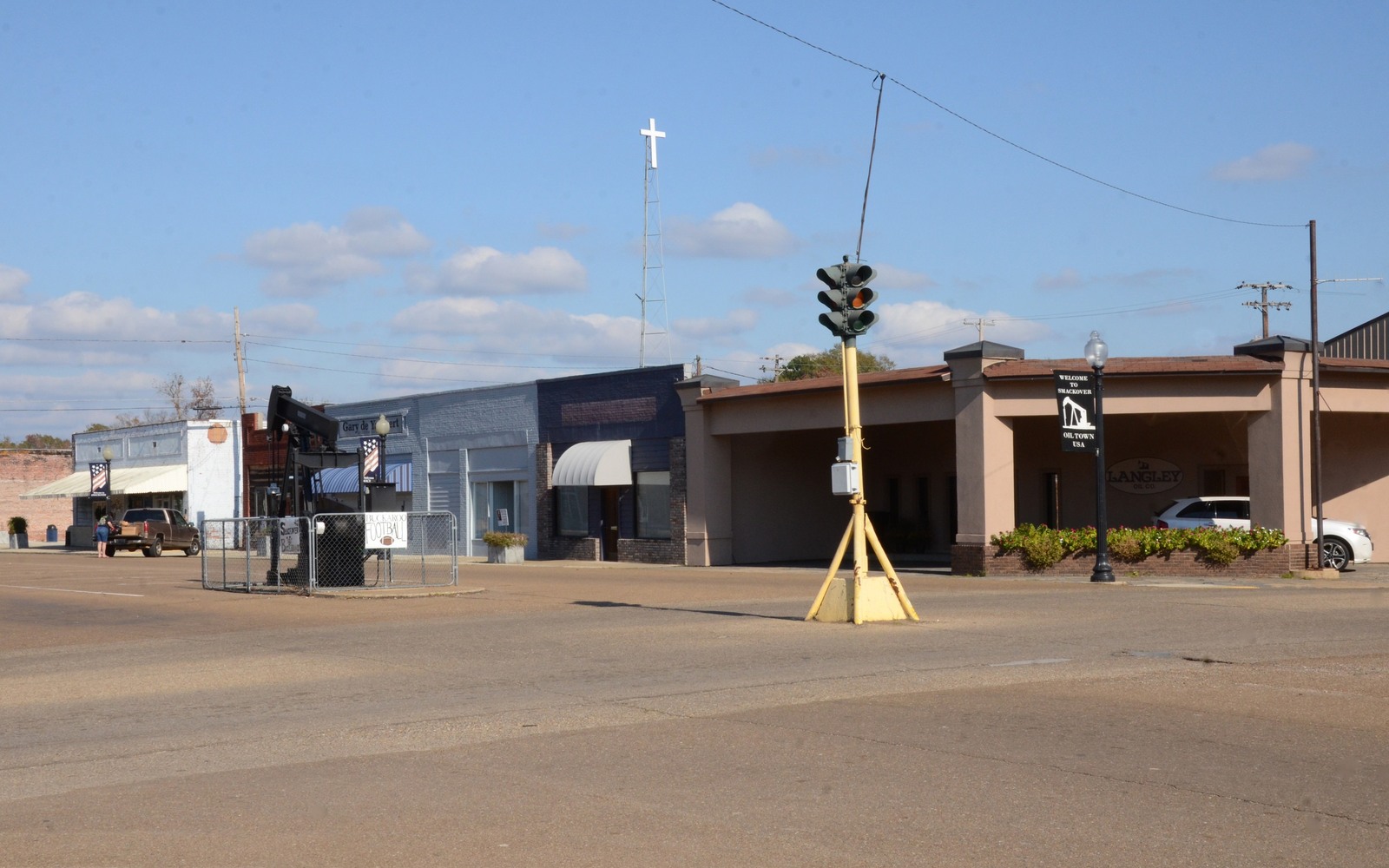
Smackover's 1922 oil boom was one of the fastest in American history, turning a crossroads into a town of thousands almost overnight, and the field kept producing for decades after the rush faded. Today the wells around town are mostly late-life producers, but the Smackover Formation itself, several thousand feet down, is the target of the region's lithium-brine extraction projects, and Union County tracts near town are getting a second look from operators who have nothing to do with the old oil leases.
The Field That Named the Formation
Most of the original 1920s wells around Smackover have long since been plugged, but a number of secondary units in the area are still on the books, producing small, steady volumes decades after the original boom. Owners with legacy interests here typically see modest royalty checks that reflect a field in its final decades of life, not the frenzy that built the town.
Brine Rights Are a Separate Question
A deed written during or after the 1920s boom was almost certainly focused on oil and gas, and whether it also covers the brine now targeted for lithium extraction depends on the exact wording. This distinction matters more here than almost anywhere else in the state, given the town's position at the historical center of the play. Anyone holding an old Smackover-area mineral deed should have it read specifically for how it treats 'other minerals' before assuming it does or doesn't include brine.
Anchor Sell Mineral Rights in Smackover, AR to the Arkansas County Record
A location guide should lead back to a real tract record. The working file identifies the county, legal description, acreage, mineral reservation, estate type, formation and depth limits, owner fraction, and the deed, probate order, trust instrument, or corrective document supporting the present ownership claim.
Connect Local Activity to the Actual Interest
Fayetteville and Smackover activity varies by county, formation, tract, unit, operator, project stage, and product scope. Public wells, permits, and project announcements can add context, while the private deed, lease, unit record, paid decimal, statement history, brine language, and title chain define the interest under review.
Keep the Sell Mineral Rights in Smackover, AR Review in Writing
The owner copy should retain the source deed, lease, unit or project record, division order, statement evidence, title questions, written offer assumptions, retained-rights language, settlement record, funding confirmation, and county recording reference.
Questions from Arkansas owners
- Owner question
Is your mineral interest near Smackover affected by lithium extraction?
It can be, depending on your tract's position relative to current brine unit boundaries and whether your deed covers brine rights at all. Both need to be checked individually.
- Owner question
Why are your royalty checks from the old field so small now?
The original Smackover field is a century past its peak, and most remaining wells are marginal stripper producers, so declining, modest checks are typical for legacy interests here.
- Owner question
Do you need to visit the courthouse to sell your interest?
Not usually. A buyer can pull the Union County Circuit Clerk's deed and probate records directly, though having your own copies of any lease or division order speeds things up.
Related Arkansas guides
All Arkansas owner guidesPut This Arkansas Interest on the Acquisition Schedule
Share the Arkansas county, interest type, producing status, operator or payor if known, recent statement detail, and the decision that needs a clearer answer.
Request an Arkansas Mineral ReviewCall 501-799-8201