
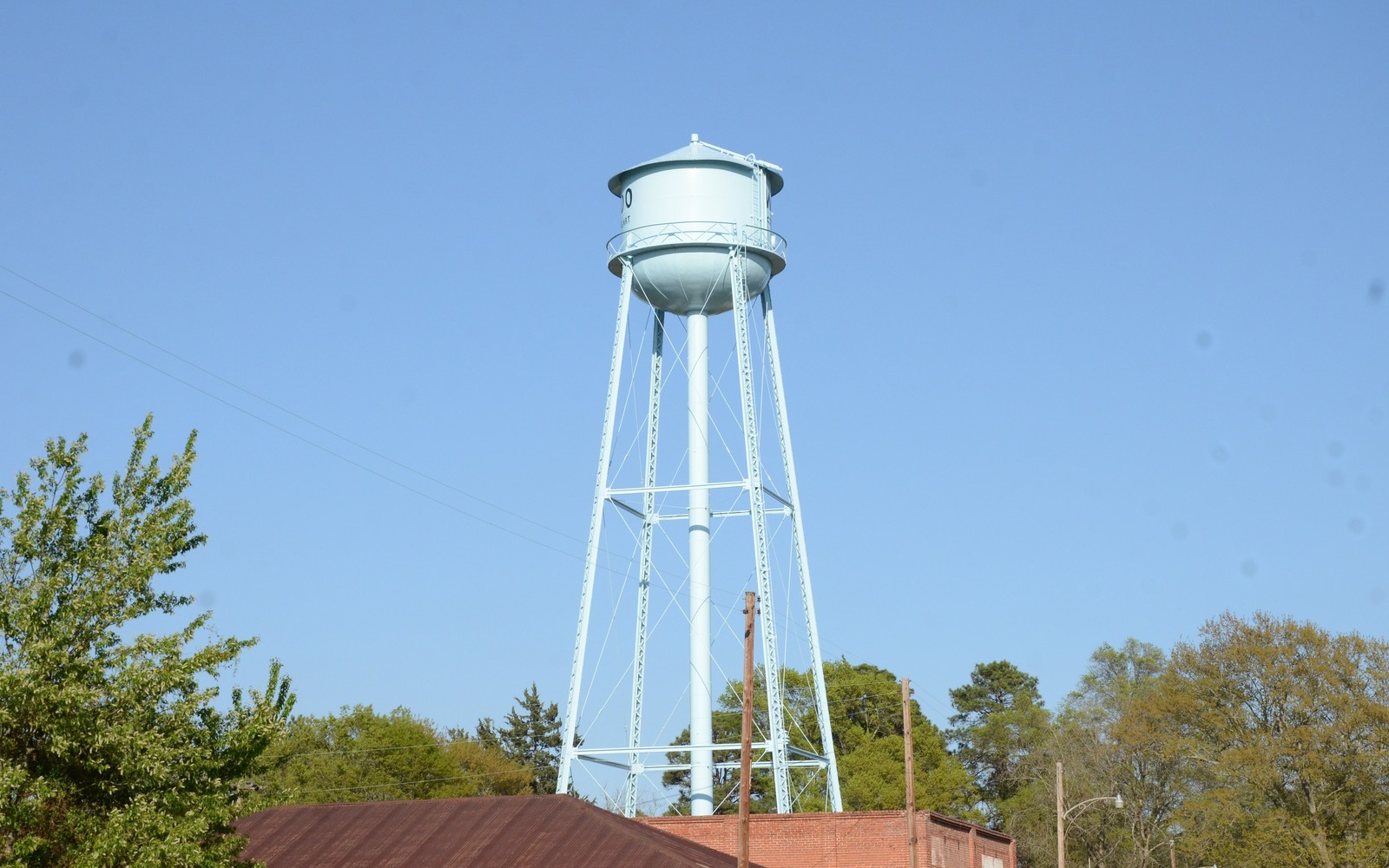
Sell Mineral Rights in Waldo, AR
Waldo sits in the part of Columbia County where a century-old oil field and a brand-new lithium brine play now overlap on the same Smackover Formation.
The Smackover oil boom of the 1920s ran through Union and Columbia counties, and Waldo has old production history tied to that formation, wells and leases that in some cases are still on the books generations later. What's changed recently is that the same Smackover brine that carried the oil also carries dissolved lithium, and Standard Lithium's project near Magnolia, working with Albemarle and Exxon interests in the broader South Arkansas play, has turned that brine into a resource of its own. If your family's tract near Waldo has old oil and gas paperwork attached to it, it's worth finding out whether the brine rights sitting underneath are a separate conversation entirely.
Two Different Rights Under the Same Ground
Oil and gas rights and brine rights aren't automatically the same thing in Arkansas, and older Waldo-area leases were written decades before anyone was thinking about lithium. Depending on how your deed and lease language reads, you may hold an interest in the legacy oil production, a separate claim on brine, or both. That distinction is the first thing we sort out before pricing anything.
Why the Lithium Play Changes the Math
A legacy Smackover oil interest near Waldo is priced like any mature Arkansas well, off trailing production and decline. A brine interest tied to the emerging lithium project is priced differently, more like an early-stage resource play, where value depends on proximity to announced project acreage and how the surrounding leasing activity is trending. We won't quote a lithium-brine number the same way we'd quote an old stripper well, because they're genuinely different assets.
Anchor Sell Mineral Rights in Waldo, AR to the Arkansas County Record
A location guide should lead back to a real tract record. The working file identifies the county, legal description, acreage, mineral reservation, estate type, formation and depth limits, owner fraction, and the deed, probate order, trust instrument, or corrective document supporting the present ownership claim.
Connect Local Activity to the Actual Interest
Fayetteville and Smackover activity varies by county, formation, tract, unit, operator, project stage, and product scope. Public wells, permits, and project announcements can add context, while the private deed, lease, unit record, paid decimal, statement history, brine language, and title chain define the interest under review.
Keep the Sell Mineral Rights in Waldo, AR Review in Writing
The owner copy should retain the source deed, lease, unit or project record, division order, statement evidence, title questions, written offer assumptions, retained-rights language, settlement record, funding confirmation, and county recording reference.
Questions from Arkansas owners
- Owner question
Do you automatically own the lithium brine rights if you own oil and gas minerals near Waldo?
Not necessarily. It depends on the exact language in your deed and any historical lease. We review that language before telling you what you actually hold.
- Owner question
Is your family's old Smackover oil interest still worth anything?
Often yes, though it's typically a small, mature stripper-well interest at this point. We price it against current production, not against 1920s-era history.
- Owner question
How does Standard Lithium's project near Magnolia affect Waldo landowners?
It has drawn new leasing and evaluation activity across the brine-bearing part of the Smackover Formation in Columbia County, which is why interests near active or planned project acreage are getting fresh attention from buyers.
- Owner question
What paperwork do you need to evaluate a Waldo tract?
A deed or old lease is the best starting point. If you're not sure what you have, we can pull the Columbia County Circuit Clerk's records ourselves to see what's on file.
Related Arkansas guides
All Arkansas owner guidesPut This Arkansas Interest on the Acquisition Schedule
Share the Arkansas county, interest type, producing status, operator or payor if known, recent statement detail, and the decision that needs a clearer answer.
Request an Arkansas Mineral ReviewCall 501-799-8201