
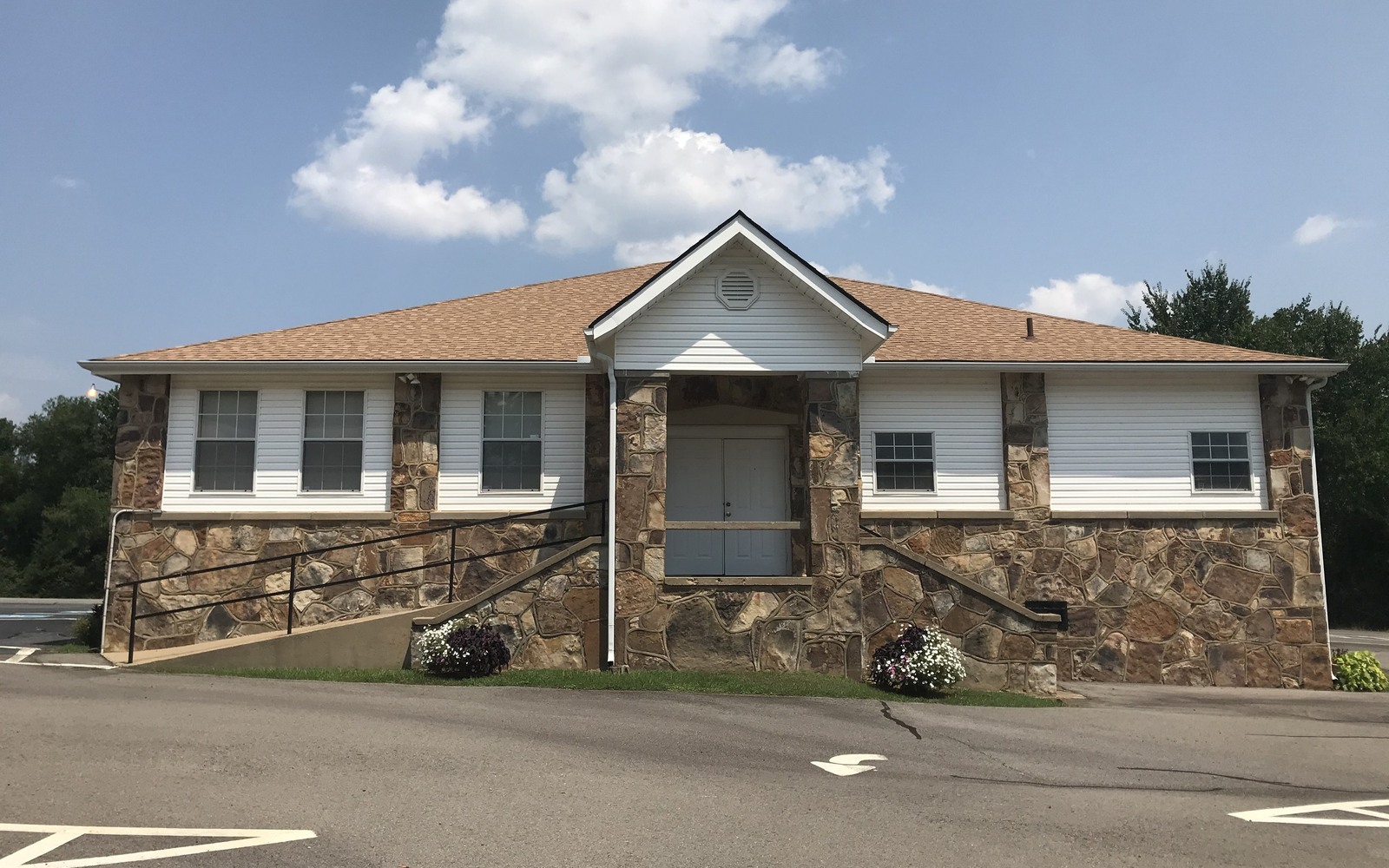
Sell Mineral Rights in Plumerville, AR
Plumerville sits along the Arkansas River valley in Conway County, where Fayetteville Shale leasing moved through farmland during the mid-2000s alongside the interstate corridor.
The land around Plumerville was part of the broader Conway County leasing wave tied to the Fayetteville Shale boom, though as in much of the county's western portion, drilling density varied significantly from one tract to the next. Mineral ownership here tends to run in families who farmed the river valley for generations before the shale play ever arrived.
River Valley Farmland, Shale-Era Leases
Farmland along the Arkansas River valley near Plumerville was leased for gas rights the same way as the rest of Conway County during the boom, with the mineral estate treated separately from the surface farming operation that continued on top of it. Some of those leases resulted in producing wells, while others lapsed as drilling activity slowed after 2012.
What's Needed to Confirm Your Interest
The Conway County Circuit Clerk's office in Morrilton holds the deed, probate, and lease records relevant to any Plumerville-area tract. If your interest passed through inheritance, a title check will confirm whether the estate was formally probated or whether an affidavit of heirship is needed to clear up ownership before a sale.
Anchor Sell Mineral Rights in Plumerville, AR to the Arkansas County Record
A location guide should lead back to a real tract record. The working file identifies the county, legal description, acreage, mineral reservation, estate type, formation and depth limits, owner fraction, and the deed, probate order, trust instrument, or corrective document supporting the present ownership claim.
Connect Local Activity to the Actual Interest
Fayetteville and Smackover activity varies by county, formation, tract, unit, operator, project stage, and product scope. Public wells, permits, and project announcements can add context, while the private deed, lease, unit record, paid decimal, statement history, brine language, and title chain define the interest under review.
Keep the Sell Mineral Rights in Plumerville, AR Review in Writing
The owner copy should retain the source deed, lease, unit or project record, division order, statement evidence, title questions, written offer assumptions, retained-rights language, settlement record, funding confirmation, and county recording reference.
Questions from Arkansas owners
- Owner question
Does farming the surface affect who owns the mineral rights near Plumerville?
No, the two are typically separate. A family can continue farming the surface while the mineral rights are leased, sold, or held independently by them or a previous owner.
- Owner question
Is your old Conway County lease still valid if you haven't received a check in years?
That depends on whether it's being held by production from a well elsewhere in the unit or has expired. A records check will confirm which applies to your tract.
- Owner question
How do you get started if you only have an old paper lease with faded print?
Send what you have. Even a partial or hard-to-read document usually contains enough information, like names or a legal description, to look up the current records.
- Owner question
Does river valley farmland typically carry different mineral value than upland tracts nearby?
Not inherently. Value comes from a tract's position within the underlying gas play and its lease status, not from surface characteristics like farmland versus timber or upland terrain.
- Owner question
Can you sell your Plumerville-area interest while continuing to farm the surface?
Yes. Mineral rights and surface farming operations are independent, so selling the minerals doesn't affect your continued use of the land above them.
Related Arkansas guides
All Arkansas owner guidesPut This Arkansas Interest on the Acquisition Schedule
Share the Arkansas county, interest type, producing status, operator or payor if known, recent statement detail, and the decision that needs a clearer answer.
Request an Arkansas Mineral ReviewCall 501-799-8201